


For anyone owning or importing a vehicle in Somalia, the official car registration Somalia process is a crucial step toward legal compliance and ensuring road safety. While the country's transportation infrastructure is undergoing significant rebuilding, a standardized system for vehicle documentation is in place to manage a growing number of cars. Whether you are a resident or a new arrival, understanding this process is vital.
Proper registration ensures that your vehicle is legally recognized, reducing the risk of penalties and contributing to a more organized and secure road environment. Here are the seven key steps you need to follow.
1. Document Verification and Ownership Transfer
The first step is to verify all your vehicle documents. This includes the original Bill of Lading, customs clearance papers, and a valid Bill of Sale proving ownership. If the car is a used import, these documents are essential to begin the car registration Somalia process. They are the foundation of your vehicle's history and legality.
2. Physical Vehicle Inspection
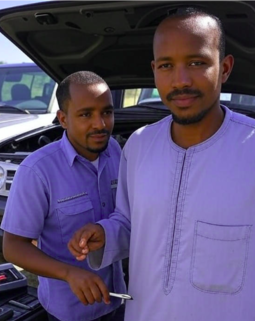
A mandatory physical inspection of the vehicle is required. This is a roadworthiness check to ensure the car meets basic safety standards. Officials will inspect the brakes, lights, tires, and overall mechanical condition. They will also verify the Vehicle Identification Number (VIN) and engine number against the provided documents to prevent fraud.
3. Obtain Police Clearance Certificate
Before the final registration, you must obtain a police clearance certificate. This document confirms that the vehicle has not been reported stolen and is not linked to any criminal activity. It is a critical security measure in the car registration Somalia system and a safeguard for both the government and the new owner.
4. Complete Registration Forms
Once the preliminary checks are passed, you will need to fill out the official vehicle registration forms at the designated DMV or transport authority office. The forms will require details about the owner, the vehicle's specifications, and its intended use. Completing these accurately is essential for a seamless process.
5. Pay All Applicable Fees and Taxes
This step involves paying the required car registration Somalia fees, which include a one-time registration fee and applicable taxes. The exact amount can vary based on the vehicle's make, model, age, and engine size. It's important to obtain a clear breakdown of these costs from the authorities to avoid any confusion.
6. Issuance of License Plate and Registration Card
After all documents are submitted and fees are paid, your vehicle will be issued a unique license plate and a new registration card. This card serves as the official proof of legal ownership and is a crucial document that must be kept with the vehicle at all times.
7. Annual Renewal
Finally, it's important to remember that vehicle registration is not a one-time event. You must renew your car registration Somalia annually to keep it current. Failure to do so can result in fines or impoundment of your vehicle. For more on African automotive markets and laws, visit portals like those at AfriCarGroup.
By following these seven steps, you can navigate the process with confidence, ensuring your vehicle is fully compliant with all driving laws.
What has been your experience with car registration in Somalia? Share your questions or tips in the comments below!