

The Somalia transport reform has entered a decisive phase as the Somali Regional State launches a sweeping crackdown on unregistered and non-compliant public transport operators. The initiative aims to bring order to the country’s growing transport sector, reduce fare manipulation, and improve road safety standards across the nation.
Government Launches New Transport Directive
Under the Somalia transport reform, the Ministry of Trade and Transport has issued a strict directive requiring all public transport vehicles to register officially and comply with newly established passenger tariffs. The new system is designed to eliminate irregular pricing and ensure that passengers pay fair, consistent fares across the Somali region.
Deputy Minister of Trade and Transport, Hassan Sheikh Yusuf, emphasized that enforcement began immediately after the directive’s release. “Our message to operators is clear: all rules must be followed as outlined in the directive. Non-compliance will result in penalties and suspension,” he stated.
Authorities report that more than 1.6 million vehicles currently operate in the Somali region, many without valid documentation. This unregulated environment has led to price hikes and safety concerns, prompting urgent action from the government.
Registration, Enforcement, and Safety Initiatives
The Somalia transport reform introduces several key enforcement steps. Unregistered vehicles will first receive warnings before facing suspension and eventual removal from service. A unified license-plate system will be implemented to streamline vehicle identification and reduce fraud.
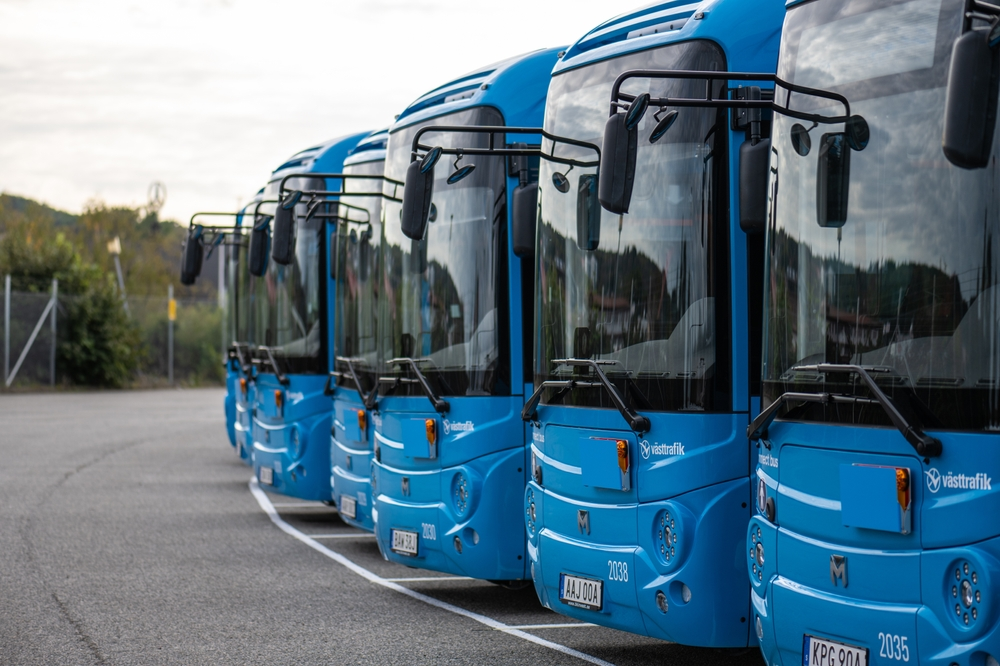
Additionally, public buses are set to transition to locally produced compressed natural gas (CNG), part of a broader plan to promote eco-friendly fuels and reduce dependency on imported oil. To encourage the switch, authorities have granted a six-month tax exemption on CNG conversions, signalling strong support for sustainable urban mobility.
Law enforcement and transport monitoring units are already deployed to ensure compliance. The government has encouraged citizens to report violations to improve accountability and transparency within the sector.
Economic and Environmental Impact
The Somalia transport reform is not only a regulatory measure but also an economic strategy. By standardising fares and vehicle registration, officials aim to stabilise transport prices amid fluctuating global fuel costs. The policy also targets inflation control by preventing operators from arbitrarily increasing fares during fuel shortages.
Environmental benefits are also expected. The adoption of CNG-powered buses will significantly reduce emissions, supporting Somalia’s transition toward cleaner energy solutions. This aligns with broader regional goals of promoting sustainable transport and reducing carbon footprints.
For Somali commuters, the reforms promise safer, more reliable, and affordable transport. Businesses that depend on daily logistics and movement will also benefit from a more organised and regulated system.
To stay informed about regional mobility developments and vehicle standards in East Africa, visit Auto24.africa, a platform that connects users with the latest transport and automotive trends across the continent.
A Step Toward Modernising Mobility in Somalia
The Somalia transport reform marks a turning point in the nation’s approach to urban mobility and regulation. By addressing fare instability, enforcing vehicle registration, and promoting cleaner fuels, the Somali Regional State is laying the groundwork for a more modern, safe, and sustainable transport network.
As enforcement continues, the success of this reform will depend on collaboration between authorities, operators, and the public. Compliance and community engagement will determine whether the initiative can truly transform Somalia’s public transport landscape.
What are your thoughts on the new Somalia transport reform? Do you think it will improve safety and affordability for commuters? Share your opinions in the comments below — your insights could help shape the future of Somalia’s transport system.